
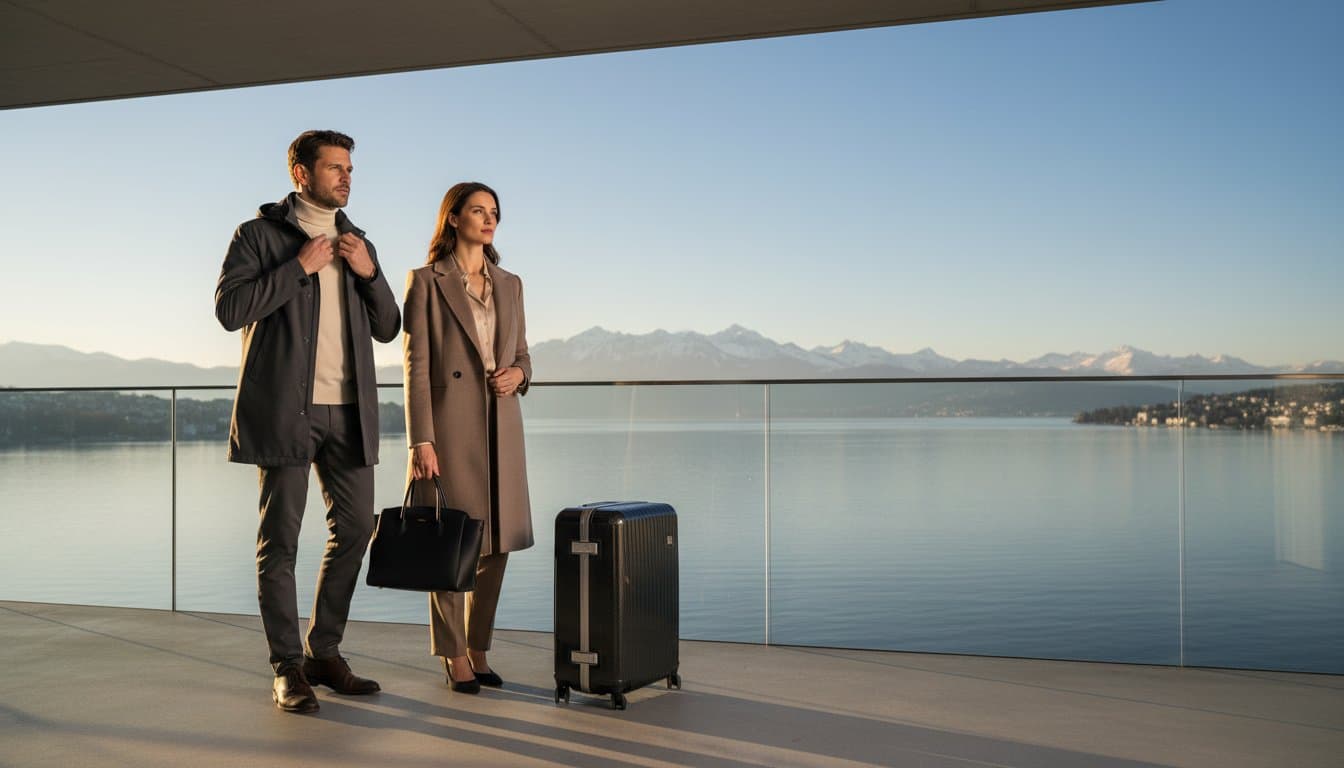
What if the most sophisticated piece of luggage you own is the one you barely feel at your side? Imagine standing on a sun-drenched terrace in St. Moritz, only to feel a sudden 15-degree temperature drop as the alpine shadows lengthen in under 20 minutes. It's a moment that defines the Swiss experience. Knowing exactly what to pack for Switzerland in 2026 requires more than a generic list; it demands a curated strategy for a landscape that transitions from lakeside luxury to glacial heights in a single afternoon. Your journey should be effortless. Your style should be unrivaled.
You likely understand that Swiss travel is a delicate balance of rugged exploration and refined social grace. You want to feel confident navigating a private gala in Geneva while remaining perfectly prepared for the unpredictable elements of a majestic mountain peak. We promise to help you master this balance with an expert guide designed for the modern connoisseur. We'll explore the 12 essential layers for microclimate mastery, the latest 2026 biometric travel gear, and the bespoke wardrobe choices that ensure you look the part in every exclusive setting. This is your path to a truly Epic adventure.
Key Takeaways
- Navigate the "Vertical Climate" challenge by mastering a layering system that transitions seamlessly from sun-kissed valleys to the majestic, thin air of the high Alps.
- Unlock our exclusive 2026 checklist on what to pack for switzerland, featuring the technical elegance of Merino wool and modular layers for every pristine landscape.
- Solve the footwear dilemma with "urban hiker" essentials that offer unrivaled comfort on historic cobblestones and rugged glacier paths alike.
- Leverage the "mobile basecamp" advantage of a private tour, allowing you to carry a curated selection of refined options without the burden of a heavy daily pack.
- Adapt your wardrobe to Switzerland’s volatile seasons with bespoke advice on maintaining an epic aesthetic during even the most unpredictable weather shifts.
Understanding the Swiss "Vertical Climate" Challenge
Standing at the foot of the majestic Eiger, you quickly realize that Swiss geography is a masterpiece of atmospheric contradictions. To experience these peaks fully, you must master the Swiss 'Vertical Climate', a phenomenon where the air transforms every few hundred meters. The fundamental rule of the Alps is the adiabatic lapse rate. For every 1,000 meters of elevation you gain, the mercury drops by a staggering 10 degrees Celsius. This isn't just a scientific statistic; it's the difference between sipping a chilled rosé in a sun-drenched valley and needing a technical shell on a frozen ridge.
Zurich sits at a modest 408 meters above sea level, offering a temperate climate that feels like a different planet compared to the Jungfraujoch. When you ascend to the "Top of Europe" at 3,454 meters, you've climbed over 3,000 vertical meters. This creates a temperature delta of roughly 30 degrees Celsius. While the city streets might be a balmy 22°C (72°F), the glacier will likely hover around -8°C (18°F). Deciding what to pack for switzerland requires acknowledging that you'll inhabit multiple seasons in a single afternoon.
We call this the "Three-Climate Day." Your morning begins with an artisanal breakfast by a pristine lake, surrounded by Mediterranean palms in Lugano or Montreux. By noon, you're standing on a prehistoric glacier, buffeted by winds that have traveled across the spine of Europe. As evening falls, you're back in a medieval town, the cobblestones radiating the day's warmth as you enjoy a bespoke dining experience. This rapid transition is the hallmark of an epic Swiss journey.
Meteorological data for 2026 suggests that these transitions are becoming more pronounced. Recent climate patterns indicate a 15% increase in weather volatility during the shoulder seasons of May and October. These months are rewarding for those seeking solitude, yet they demand more rigorous preparation. You might encounter a sudden spring snowstorm and a radiant summer sun within the same four-hour window. Reliability in your gear is no longer a luxury; it's a necessity for comfort.
The Science of Alpine Microclimates
Peaks like Mount Titlis create their own weather systems. Even if the forecast predicts clear skies, wind chill factors at 3,020 meters can make it feel 12 degrees colder than the actual air temperature. High-altitude UV radiation is also 20% more intense than at sea level, making premium eye protection vital. On the Swiss plateau, 2026 precipitation models show that "waterproof" must mean high-performance Gore-Tex, not just water-resistant fashion, to handle sudden, heavy downpours.
Vertical Packing Strategy
Preparing for a 20°C (36°F) temperature swing within a 4-hour train or cable car ride is the ultimate logistics challenge. When you're the best-prepared person on the mountain, you can focus on the breathtaking views rather than your shivering core. This sense of readiness provides a psychological calm that enhances your entire experience. Vertical Modularity is the strategic selection of high-performance layers that can be added or shed in seconds to maintain a constant core temperature regardless of altitude. This philosophy is the secret to a seamless, elite travel experience. Choosing what to pack for switzerland becomes effortless once you view your wardrobe as a versatile toolkit for alpine discovery.
The 2026 Master Checklist: Technical Layers and Elegant Essentials
The Swiss Alps demand a wardrobe that performs at 3,000 meters but feels perfectly at home in a Michelin-starred dining room in St. Moritz. For the 2026 season, the secret to mastering what to pack for switzerland lies in the "Quiet Outdoor" aesthetic. This philosophy combines high-performance textiles with a sophisticated, tailored silhouette. Your clothing must mirror the landscape. It should be rugged, timeless, and undeniably premium.
The foundation of your Alpine kit is the base layer. Forget synthetic fabrics that trap odors. In 2026, 150gsm Merino wool remains the undisputed gold standard for private travel. This natural fiber breathes during a sun-drenched walk through Lavaux vineyards and provides essential warmth when the evening mountain breeze descends. It's remarkably efficient. A single Merino shirt can remain fresh for three days of light activity. This allows you to move between destinations with a lighter suitcase and more mental clarity.
Your mid-layer provides the necessary insulation. While traditional fleeces are functional, a lightweight down vest offers a 30% better warmth-to-weight ratio. These pieces compress into a small pouch, making them ideal for a day spent in a private chauffeur-driven vehicle. For the outer shell, prioritize GORE-TEX fabrics that feature a matte finish. You want the waterproof protection of a technical jacket without the neon colors of a climbing expedition. Modern technical shells from brands like Arc'teryx or Moncler provide a sleek profile that transitions seamlessly from a glacier excursion to a boutique shopping afternoon in Zurich.
Evening wear in Switzerland follows a specific code: Swiss Smart Casual. This isn't the flashy luxury of Milan or the relaxed vibe of the Mediterranean. It's understated. For gentlemen, this means dark tailored trousers and a fine-gauge cashmere sweater. For ladies, a silk blouse paired with a structured blazer is the standard. Most 5-star Swiss properties, such as The Dolder Grand or Badrutt’s Palace, appreciate this refined approach to comfort.
The "Technical-Elegant" Hybrid Wardrobe
Success starts with a palette of navy, charcoal, and forest green. These neutral tones allow you to mix and match 90% of your items. Focus on wrinkle-resistant fabrics like techno-wool or high-twist cotton for your grand tour. When you step out of your private transfer, you should look as polished as when you started. Elevate these functional outfits with a classic Swiss timepiece or a heavy silk scarf. These small details signal a sophisticated understanding of local style. For a foundation of efficiency, many seasoned travelers reference this expert packing checklist to ensure no essential is left behind.
Essential Clothing Counts for a 7-Day Tour
To keep your luggage manageable for a week-long journey, follow this precise breakdown: 4 moisture-wicking tops, 2 pairs of versatile trousers, and 1 technical outer shell. Don't overpack. Approximately 95% of luxury Swiss hotels offer 24-hour express laundry services. This allows you to cycle your high-end technical gear mid-trip. Avoid the "one-heavy-coat" myth. A single massive parka is a liability. Three light layers provide 15 degrees of additional thermal flexibility, ensuring you stay comfortable whether you're at a lakeside café or a mountain peak. This strategic approach leaves plenty of room in your bags for local treasures found on bespoke itineraries designed just for you.

Footwear and Accessories: From Cobblestones to Glaciers
Your journey through the heart of Europe requires a foundation of absolute comfort and refined style. When deciding what to pack for switzerland, your first consideration should be the ground beneath your feet. The medieval streets of Bern, established in 1191, are paved with historic sandstone cobblestones that possess a notorious reputation for claiming thin heels. Avoid the liability of a twisted ankle or a ruined designer pump by opting for footwear with a wider base. Modern "Urban Hiker" boots have become the 2026 standard for the sophisticated traveler. These hybrid designs offer the traction needed for a misty path in Lauterbrunnen while maintaining the sleek aesthetic required for a Michelin-starred dinner in St. Moritz. Your footwear must be as versatile as the Swiss landscape itself.
The alpine sun is a majestic but powerful force. At altitudes like the Jungfraujoch, which sits at 3,454 meters, the UV radiation is significantly more intense than at sea level. Polarized sunglasses are not a fashion statement here; they're a necessity to prevent snow blindness on the Aletsch Glacier. Similarly, a high-SPF lip balm protects against the biting mountain winds that can chap skin in minutes. For those seeking the most current safety protocols for these high-altitude environments, the U.S. Department of State travel advisory for Switzerland provides essential context on alpine hazards. Reliability is the hallmark of a Swiss Epic Tours, and that begins with your personal preparation.
Step-by-Step Footwear Selection
Adhere strictly to the "Two-Pair Rule" to ensure your luggage remains manageable and your mobility remains unrivaled. One pair of technical, waterproof walking shoes is your primary tool for exploring alpine wonders. Spring in the Alps often brings sudden snowmelt, so water-resistant materials are non-negotiable for 85% of your daytime excursions. Your second pair should be an elegant evening shoe for those exclusive gallery openings or private dinners. Never arrive with brand-new shoes. Breaking them in for at least 30 kilometers before your journey begins is the single most effective way to prevent blisters. Your comfort is the key to an epic experience.
The Swiss Accessory Kit
Refining your list of what to pack for switzerland involves selecting items that balance utility with luxury. Carry a designer reusable bottle to access the 1,200 public fountains in Zurich, where the water is often fresher than expensive bottled alternatives. A multi-purpose pashmina or cashmere wrap serves as a vital layer against the sudden 15-degree temperature drops found in mountain gondolas. While a luxury handbag is perfect for a city stroll, a small, high-end daypack is far superior for mountain excursions. It keeps your hands free for photography and ensures your weight is distributed evenly during a walk through the vineyards of Lavaux.
Tech gear for 2026 focuses on seamless connectivity and endurance. Switzerland uses the Type J three-prong plug, which is distinct from the standard European Type C. Ensure your universal adapter is compatible with this specific hexagonal shape. A 10,000mAh power bank is a necessity for long days of capturing breathtaking vistas, while the latest noise-canceling headphones transform a scenic train ride into a private sanctuary. Your gear should be as reliable as a Swiss chronometer. It's the bridge between the rugged, pristine landscape and your personal comfort. We ensure every detail of your transport is handled, but these personal touches ensure your journey is truly bespoke.
Seasonal Nuances: Adapting Your List for 2026
Switzerland’s microclimates demand a bespoke approach to your suitcase. As we look toward 2026, the traditional four seasons have become more distinct yet more unpredictable. Deciding what to pack for switzerland requires a blend of high-performance gear and refined elegance. You aren't just visiting a country; you're moving between worlds, from palm-lined lakes to glacial peaks. A single day might begin with a crisp mountain breeze and end with a sun-drenched afternoon on a Mediterranean-style terrace. Preparation is the bridge between a good trip and an epic journey.
Winter Wonders and Ski Chic
Packing for legendary destinations like Zermatt or St. Moritz is an exercise in thermal luxury. You'll need more than just a heavy coat. For 2026, the trend is invisible warmth. Ultra-thin silk or merino thermal liners are the secret. These allow you to wear a tailored Italian suit or a silk dress while remaining comfortable in sub-zero temperatures. Icy cobblestones in Lucerne or St. Moritz are treacherous. Choose footwear with high-grip soles or pack detachable spikes. Statistics from 2024 show that 35% of winter tourist injuries are avoidable slips on city ice.
Summer in the Alps
Summer presents a unique challenge. You might find yourself in 32°C heat in the lakeside cafes of Geneva or Ticino, only to face freezing winds at 3,454 meters. Lightweight linens are essential for the Mediterranean vibe of Southern Switzerland. Always pack swimwear. Whether it's the crystal-clear waters of Lake Brienz or the 34°C mineral baths of Vals, water is central to the Swiss experience. Most importantly, bring a packable down jacket. Even in July, you'll need this for a Jungfraujoch private tour where temperatures often hover around -3°C at the Sphinx Observatory.
The shoulder seasons of May and October offer a serene, crowd-free experience. These months are the most volatile. Modularity is your best friend. When you consider what to pack for switzerland during these transitional times, think in layers that can be shed in seconds. The weather can swing 15 degrees in a single hour. Your kit should include:
- Waterproof shells: Look for a 20,000mm rating to withstand sudden alpine downpours.
- Mid-weight cashmere: Perfect for layering under a jacket or wearing alone during a sunny lunch.
- Versatile footwear: Waterproof hiking boots with Vibram soles that look polished enough for a bistro.
The golden larches of the Engadin in late October are a visual masterpiece. The wind can be biting, but the vistas are unrivaled. A heavy pashmina or a curated wool scarf is a versatile addition that transitions from a mountain hike to a private dinner in a Michelin-starred restaurant. This period is the sophisticated traveler’s secret, offering a quiet intimacy that the peak summer months cannot match. It’s a time for deep connection with the landscape. Your journey, your way. We handle the logistics; you simply embrace the awe.
Ready to experience the majestic landscapes of the Alps with a touch of exclusivity? Explore our bespoke private tours today.
Packing for a Private Tour: The Swiss Epic Tours Advantage
Choosing a private journey transforms your entire approach to the question of what to pack for switzerland. You are no longer restricted by the grueling logistics of hauling heavy suitcases through crowded train stations or navigating steep, narrow cobblestone streets. Instead, your luxury vehicle becomes a Mobile Basecamp, a sophisticated secondary closet that follows you from the palm-fringed shores of Lake Lugano to the icy shadows of the Eiger. This exclusive setup allows you to pack heavier on options while remaining lighter on your daily carry. You can leave your evening attire and spare technical layers safely in the vehicle, stepping out into the alpine air with nothing but your camera and a sense of wonder.
Our driver-guides are the architects of your comfort. They possess an intimate understanding of the 26 cantons and their distinct microclimates; a sun-drenched morning in Lucerne can easily transition into a brisk afternoon at 3,000 meters. With door-to-door service, the physical burden of travel vanishes. Your luggage is handled with meticulous care from the moment you arrive until you settle into your boutique mountain chalet. This isn't just transportation. It's a curated experience designed to eliminate the friction of travel. Your journey, your way.
The Luxury of Flexibility
Morning preparations become effortless when your guide monitors the 120 live mountain webcams scattered across the Alps. Before you even zip your jacket, we know if the summit of Mount Pilatus is shrouded in mist or bathed in golden light. This real-time intelligence means you don't have to guess what to pack for switzerland each day. You can store three different weight layers in our Mercedes V-Class or S-Class vehicles, ensuring you're perfectly dressed for a spontaneous lakeside lunch or a high-altitude glacier walk. We eliminate the need for "worst-case scenario" packing because your guide is always one step ahead of the clouds.
Beyond the Suitcase: What We Provide
Our 2024 fleet is equipped to reduce your packing list significantly. We provide the essentials that often clutter a suitcase, such as sturdy umbrellas for unexpected mountain showers, premium chilled mineral water, and artisanal Swiss snacks to keep your energy high. High-speed Wi-Fi and international charging ports ensure your devices stay ready for every breathtaking vista. This local expertise allows for real-time adjustments to your itinerary. If a sudden temperature drop occurs, we pivot to a cozy chocolate tasting or a sheltered museum tour. Your comfort remains our absolute priority, regardless of the weather. Plan your bespoke Swiss journey with Swiss Epic Tours today.
Step Into Your 2026 Swiss Adventure
Mastering the 4,000-meter altitude shifts of the Alps requires a strategic approach to your wardrobe. You've now discovered how to balance high-performance technical layers with the refined elegance demanded by the world-class boutiques of St. Moritz. Knowing what to pack for switzerland ensures you remain comfortable whether you're standing on a pristine glacier or enjoying a private chocolate tasting in a sun-drenched valley. These 2026 essentials are your foundation for a journey that feels both effortless and grand.
While your suitcase holds the physical layers, Swiss Epic Tours provides the exclusive access that defines a truly epic expedition. We operate a fleet of 12 modern luxury vehicles, including the latest Mercedes-Benz V-Class models, to ensure your door-to-door travel is flawless. Our professional multilingual driver-guides offer more than just transport; they're local connoisseurs who curate bespoke itineraries tailored to your specific desires. We move you beyond the ordinary tourist paths into the authentic heart of the mountains. It's your time to experience a landscape that's as majestic as it is welcoming. Your 2026 masterpiece is ready for its first chapter.
Experience Switzerland in Unrivaled Comfort-Book Your Private Tour
The peaks are calling and we can't wait to show you the view.
Frequently Asked Questions
Do I need a formal suit or gown for dinner in Switzerland?
You generally don't need a formal suit or gown unless you're attending a specific gala at a venue like Badrutt’s Palace, where 5% of exclusive events still mandate black-tie attire. For most world-class dining, smart casual is the golden rule. A crisp blazer or an elegant cocktail dress ensures you blend seamlessly into the sophisticated atmosphere. Your evening should feel like an epic celebration of taste, not a rigid costume parade.
Can I wear sneakers in luxury Swiss hotels?
You can absolutely wear sneakers in luxury Swiss hotels, provided they're clean, high-end leisure shoes rather than your muddy trail runners. Approximately 90% of five-star lobbies in destinations like St. Moritz now embrace this relaxed, modern elegance. It's the perfect way to maintain comfort while exploring our pristine corridors. We ensure your arrival is effortless and stylish, reflecting the bespoke nature of your journey through the heart of the Alps.
Is a Swiss Travel Pass worth it if I am booking a private tour?
A Swiss Travel Pass isn't necessary if you've booked a private, door-to-door tour with us, as our luxury vehicles handle all your primary logistics. You'll save the 459 CHF cost of an 8-day second-class pass by relying on our curated transport. However, the pass still offers a 50% discount on specific mountain cable cars. We help you calculate if these individual savings outweigh the upfront investment for your specific, tailor-made itinerary.
What is the most forgotten item on a Switzerland packing list?
The most forgotten item on any list of what to pack for switzerland is the specific Type J power adapter, which features three slim prongs in a unique hexagonal shape. While 70% of travelers mistakenly bring a standard European Type C plug, these often won't fit into the recessed Swiss sockets. Don't let a dead battery interrupt your photography of our majestic peaks. It's a small detail that ensures your connection remains unrivaled.
How much cash should I carry vs. using credit cards in 2026?
Carry approximately 50 to 100 Swiss Francs in cash for small alpine huts, though 98% of urban businesses will prefer contactless payments by 2026. Credit cards are the standard for your epic shopping trips and fine dining experiences. Most mountain kiosks now utilize digital payment systems, yet a few coins remain essential for specific heritage sites. We recommend a mix to ensure your journey is as smooth as Swiss silk and entirely stress-free.
What should I pack for a day trip to the Jungfraujoch?
Pack high-performance thermal layers and polarized sunglasses for the Jungfraujoch, where temperatures often hover at -5 degrees Celsius even in mid-July. The sun's reflection off the Aletsch Glacier creates 100% UV intensity, making eye protection vital for your comfort. Sturdy boots with deep tread are essential for walking on the Sphinx Observatory deck. This is your gateway to an icy, breathtaking world that demands respect and thorough preparation for the elements.
Are there specific dress codes for visiting Swiss churches or cathedrals?
Modesty is the primary requirement when visiting Swiss cathedrals, so ensure your shoulders and knees are covered before entering. 100% of major religious sites, including the Grossmünster in Zurich, maintain these traditional standards of respect. A lightweight pashmina is a perfect addition to your list of what to pack for switzerland. It allows you to transition from a sunny mountain trail to a silent, sacred space with effortless grace and sophisticated style.
Should I bring my own ski gear or rent it locally?
Rent your equipment locally to enjoy the latest 2026 models from premium brands like Stöckli, which typically cost around 75 CHF per day. Over 85% of our VIP guests prefer the convenience of high-performance rentals over the hassle of transporting heavy bags through airports. It ensures you always have the perfect edge for our pristine, powdery slopes. We'll arrange your private fitting so you can step directly from your door onto the snow.